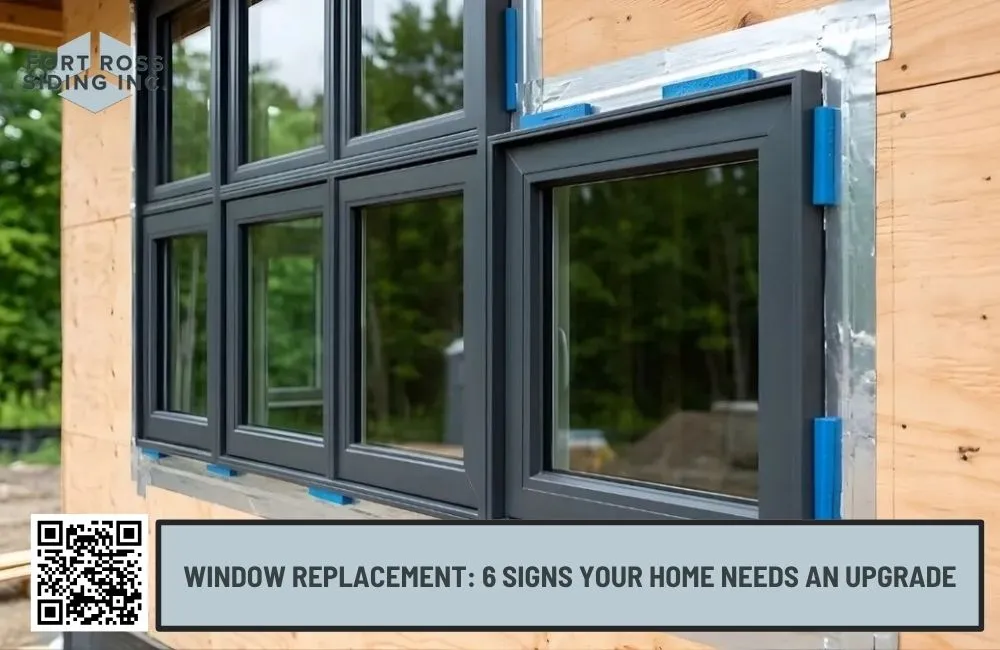
Window Replacement: 6 Signs Your Home Needs an Upgrade
Windows are easy to overlook when they still open, close, and let in natural light. Yet their condition can influence indoor comfort, energy efficiency, moisture protection, and even how much maintenance a home requires. Over time, materials deteriorate, seals fail, and older designs may no longer meet a homeowner's expectations.
In Sacramento, where summer temperatures regularly climb into the 90s and winter brings cooler weather and seasonal rainfall, aging windows can become particularly noticeable. Rooms may feel warmer than expected, condensation may appear between glass panes, or frames may become difficult to operate.
Recognizing these warning signs can help homeowners determine whether repairs are sufficient or whether window replacement is the more practical long-term solution.
The following six signs explain when upgrading windows deserves serious consideration and what Sacramento homeowners should evaluate before making a decision.
Sign 1: Your Windows Are Becoming Difficult to Open or Close
A window should operate smoothly without requiring excessive force. When opening or closing becomes difficult, the problem may involve worn hardware, damaged tracks, frame movement, or deteriorating components.
Older wooden windows can swell when exposed to moisture, while other frame materials may experience problems related to wear, installation conditions, or structural movement.
A window that does not close correctly may also create gaps that allow air or moisture to enter.
When Repairs May Be Enough
Not every sticking window requires complete replacement. Cleaning tracks, adjusting hardware, or replacing damaged components may restore normal operation.
However, extensive frame deterioration or repeated mechanical problems can make repairs less practical.
Homeowners should also consider safety. Windows intended for emergency escape must remain operable according to applicable building requirements.
Professional window installation becomes worth considering when existing units can no longer provide reliable operation or when necessary repairs approach the cost of replacing the window.
A proper assessment helps distinguish minor maintenance problems from conditions that justify a larger investment.
Sign 2: Certain Rooms Feel Uncomfortable Throughout the Year
Have you noticed that one bedroom becomes unusually hot in the afternoon while another room remains comfortable?
Uneven indoor temperatures can result from several factors, including insulation, ventilation, sunlight exposure, and window performance.
In Sacramento, west-facing windows can receive substantial afternoon sunlight during summer. Older glass may allow more solar heat into the home than modern glazing designed to manage heat gain.
During winter, poorly insulated windows may also create cooler surfaces near seating areas or bedrooms.
Understanding Window Energy Performance
Modern windows are available with features designed to improve thermal performance.
Double-pane insulated glass, Low-E coatings, and suitable frame systems can help reduce unwanted heat transfer.
Two important measurements are the U-factor and Solar Heat Gain Coefficient.
The U-factor describes how readily heat passes through the window assembly. Lower values indicate better insulating performance.
Solar Heat Gain Coefficient measures how much solar radiation passes through the window. Lower values generally reduce unwanted solar heat gain.
For Sacramento homeowners considering window replacement, comparing these ratings can help identify products suited to local conditions.
However, windows are only one part of a home's thermal performance. An assessment should also consider insulation, air leakage, shading, and HVAC operation before assuming new windows will solve every temperature problem.
Sign 3: You Notice Condensation Between Glass Panes
Condensation can provide useful clues about window condition, but its location matters.
Moisture appearing on the room-facing surface of glass may result from indoor humidity and temperature differences. This does not automatically indicate that the window has failed.
Condensation trapped between the panes of an insulated glass unit is different.
It often indicates that the sealed glass assembly has lost its ability to maintain the intended separation between panes.
As a result, homeowners may notice persistent fogging, cloudy patches, or moisture that cannot be wiped away from either accessible glass surface.
Does Foggy Glass Mean the Entire Window Must Go?
Not necessarily.
In some situations, replacing the insulated glass unit may be possible while retaining the existing frame.
The appropriate solution depends on the window's construction, condition, availability of compatible components, and overall repair costs.
If the frame is also deteriorating or the window has multiple performance problems, complete replacement may be more reasonable.
Homeowners should ask whether glass-only repair is feasible before committing to a full upgrade.
This approach helps avoid unnecessary expenses while addressing the actual problem.
Sign 4: Drafts and Outside Noise Are Becoming Noticeable
A closed window should provide a reasonable barrier between indoor and outdoor conditions.
If you regularly feel moving air near the frame, hear rattling during windy weather, or notice increased outdoor noise, the window may deserve closer inspection.
Drafts can originate from damaged weatherstripping, worn seals, frame gaps, or poorly sealed connections between the window and surrounding wall.
These conditions can make indoor temperatures harder to maintain.
In Sacramento neighborhoods near busy roads, traffic noise may also affect everyday comfort.
Finding the Source Before Replacing Anything
Not every draft originates from a defective window.
Air leakage may occur around trim, wall penetrations, or other parts of the building envelope.
A qualified professional can evaluate the opening and determine whether targeted sealing or repairs are appropriate.
If replacement is necessary, the selected window should match the homeowner's priorities.
For noise concerns, glass configuration and acoustic performance deserve attention. For drafts, proper air sealing and installation detailing are especially important.
Professional window installation should address both the window unit and its connection to the surrounding wall.
Without appropriate installation, even a high-performance product may fail to deliver the expected improvement.
Sign 5: Window Frames Show Signs of Deterioration
Visible frame damage is one of the clearest reasons to investigate an aging window.
Peeling finishes, soft wood, cracks, corrosion, persistent staining, or separation around joints may indicate deterioration.
The seriousness of these conditions depends on the material and the extent of the damage.
For example, minor surface wear may be repairable, while widespread wood rot can compromise the frame's ability to support the window properly.
Why Sacramento's Seasonal Weather Matters
Sacramento experiences extended dry periods followed by wetter winter conditions.
Exterior windows must handle changing temperatures, sunlight, and moisture exposure throughout the year.
When water repeatedly reaches vulnerable materials, deterioration may develop around sills, trim, and surrounding wall components.
Homeowners should examine these areas carefully, particularly when staining or damage returns after previous repairs.
Sometimes the problem extends beyond the window itself.
If surrounding siding or wall materials have been affected, a contractor may need to evaluate whether localized repairs or broader siding replacement is necessary.
Replacing a damaged window without correcting the source of moisture can allow the same problem to return.
Sign 6: Your Windows No Longer Fit Your Home's Needs
Not every window upgrade begins with visible damage.
Sometimes homeowners simply discover that their existing windows no longer support how they use their living spaces.
A bedroom may need better ventilation. A home office may benefit from reduced outdoor noise. A living room might feel dark despite having sufficient wall space for a more suitable window configuration.
Older windows may also lack convenient operating features or require more maintenance than homeowners prefer.
Matching Window Styles to Everyday Use
Different window styles serve different purposes.
Casement windows can provide useful ventilation and a relatively unobstructed opening. Sliding windows may work well where outward-opening sashes would interfere with nearby spaces.
Picture windows offer expansive views but do not provide ventilation.
Awning windows can be suitable for certain openings where their operating style makes practical sense.
The right choice depends on room function, available space, architectural design, and applicable building requirements.
Before selecting a new style, homeowners should consider whether changes to the opening are necessary and how the new unit will integrate with the exterior wall.
A thoughtful upgrade should improve usability without creating unnecessary construction complications.
How Much Should Sacramento Homeowners Budget for New Windows?
Window costs vary considerably, making generalized estimates less useful than a property-specific evaluation.
Frame material, glass performance, window dimensions, operating style, accessibility, and installation complexity all influence the price.
Replacing a standard window within an existing opening is different from enlarging an opening or repairing damaged framing.
Labor requirements may also increase when existing exterior finishes need modification.
Homeowners should request estimates that explain the proposed products and installation scope.
An estimate should distinguish between the window itself, removal of existing materials, installation labor, finishing work, and any necessary repairs.
It is also important to understand how unexpected conditions will be handled.
A clear written proposal makes comparisons more meaningful and helps homeowners plan financially.
Should Window and Siding Projects Be Completed Together?
Windows and siding are connected through the home's exterior wall system.
The area where a window meets surrounding cladding requires careful flashing, sealing, and finishing.
When homeowners are already planning siding installation, it may be useful to evaluate aging windows before exterior work begins.
Coordinating the projects can help establish an appropriate construction sequence and reduce the need to disturb newly finished materials.
Similarly, homeowners considering siding replacement should discuss whether existing windows require attention.
However, combining projects is not always necessary.
If the siding is in good condition, a properly planned window project may be completed without replacing the surrounding exterior.
Homeowners searching for a siding installer near me should ask how the contractor approaches window transitions and whether coordination with a window specialist is needed.
The objective is to protect the building envelope while avoiding unnecessary work.
What Makes a Window Upgrade Worth the Investment?
The value of new windows depends on the problems they solve.
For one homeowner, the main benefit may be improved temperature control in a sun-exposed bedroom. For another, it may be easier operation, better ventilation, or reduced maintenance.
Energy efficiency can also be an important consideration, but homeowners should avoid assuming that every replacement project will produce the same savings.
Actual results depend on existing window performance, installation quality, building insulation, shading, and household energy use.
Before making a decision, identify the specific concerns you want to address.
Then compare products based on documented performance rather than appearance or marketing claims alone.
ENERGY STAR certification and National Fenestration Rating Council labels can help homeowners evaluate relevant energy-performance characteristics.
Choosing products suited to Sacramento's climate and the home's individual conditions is more useful than simply purchasing the most expensive option.
Planning Your Window Upgrade With Confidence
Recognizing the signs of aging windows is the beginning of an informed renovation decision.
Difficulty operating windows, uncomfortable room temperatures, failed glass seals, noticeable drafts, deteriorating frames, and changing household needs can all justify a closer evaluation.
However, these conditions do not always require complete replacement.
Some problems can be addressed through maintenance, targeted repairs, improved shading, or better air sealing.
When window installation is appropriate, selecting suitable products and ensuring careful installation can help improve everyday comfort and long-term performance.
Sacramento homeowners should also consider how window improvements interact with surrounding siding, trim, and moisture-management components.
Taking a comprehensive approach can help prevent unnecessary repairs and support a more successful exterior renovation.
Professional Window Replacement in Sacramento, CA
Fort Ross Siding & Windows is a family-owned exterior improvement company with more than 30 years of industry experience. The company provides window installation, window replacement, siding installation, and siding replacement services for residential and commercial properties throughout Sacramento and surrounding Northern California communities.
Homeowners considering new windows or exterior improvements can contact the team to discuss their property's condition and available options.
Fort Ross Siding & Windows
Address: 2437 Harris Ave, Sacramento, CA 95838, United States
Phone: +1 (916) 474-1941
Contractor's License: #975560
Service Areas: Sacramento, West Sacramento, Elk Grove, Roseville, Rancho Cordova, Folsom, Citrus Heights, Davis, Woodland, and nearby communities.
Schedule a consultation to explore window solutions that fit your home's comfort needs, architectural style, and renovation goals.
