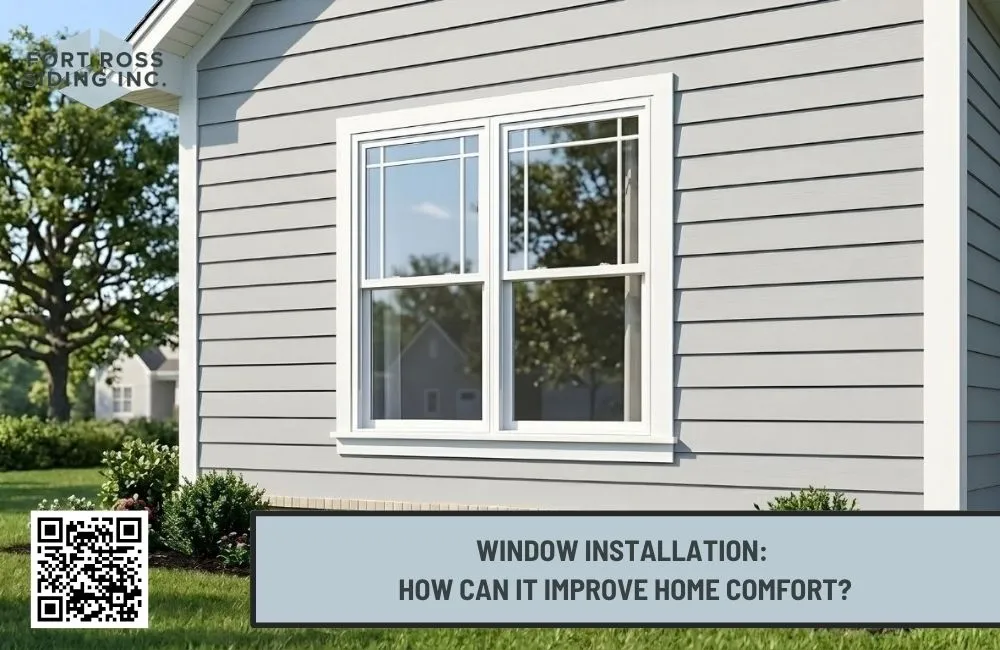
Window Installation: How Can It Improve Home Comfort?
Home comfort is not just about having a reliable heating and cooling system. The windows in your home influence indoor temperatures, natural lighting, outside noise, and how comfortable different rooms feel throughout the day. When windows become outdated, damaged, or poorly sealed, homeowners may notice uncomfortable drafts, excessive heat near glass surfaces, or rooms that are difficult to keep at a consistent temperature.
For homeowners in Sacramento, California, these problems can become particularly noticeable during long, hot summers and cooler winter months. Strong afternoon sunlight can make certain rooms uncomfortable, while poorly performing windows may allow unwanted heat transfer throughout the year.
Professional window installation can help address these concerns by improving the performance of the home's exterior openings. However, the results depend on selecting suitable products, evaluating existing conditions, and ensuring proper installation.
Understanding how windows influence everyday comfort can help homeowners decide when an upgrade makes sense and which improvements deserve priority.
Why Windows Have Such a Big Impact on Indoor Comfort
Windows connect indoor living spaces with the outdoor environment. They allow natural light and views while creating openings in the building envelope that must manage heat, air, and moisture.
Unlike insulated walls, windows contain glass and framing materials that respond differently to outdoor temperatures.
During Sacramento's summer months, sunlight passing through glass can increase indoor heat gain. In winter, heat can escape through poorly performing windows, potentially making nearby rooms feel cooler.
Air leakage around window frames can also contribute to uncomfortable drafts.
These effects are not always distributed evenly throughout the house. A west-facing bedroom may become noticeably warmer in the afternoon, while a shaded room on the opposite side remains comfortable.
Modern windows can help manage these differences through improved glazing, insulated frames, and appropriate sealing.
However, choosing the right product requires understanding the specific conditions affecting each room.
Can New Windows Make Your Home Cooler in Summer?
One of the most common reasons Sacramento homeowners consider upgrading their windows is excessive indoor heat.
During hot weather, direct sunlight can pass through glass and warm interior surfaces. This solar heat gain may increase cooling demand, particularly in rooms with large windows facing the afternoon sun.
Energy-efficient windows are available with glazing designed to reduce unwanted solar heat gain.
Low-emissivity, or Low-E, coatings can help manage radiant heat transfer while still allowing daylight into the home. Different glazing packages offer different performance characteristics, so selecting the right option matters.
Homeowners should pay attention to a window's Solar Heat Gain Coefficient, commonly called SHGC.
A lower SHGC generally means less solar heat passes through the window. This can be useful for Sacramento homes where summer cooling is an important concern.
However, the ideal glazing package depends on the home's orientation, shading, and overall energy needs.
Proper window installation is equally important because gaps around the frame can undermine the benefits of an otherwise efficient product.
How Window Upgrades Help During Sacramento Winters
Although Sacramento is known for warm summers, winter temperatures can still make poorly performing windows uncomfortable.
Cold glass surfaces may create noticeable temperature differences near windows, especially in bedrooms and living areas.
Older single-pane windows typically provide less insulation than modern insulated glazing units.
Double-pane windows use two layers of glass separated by a sealed space, often containing air or an insulating gas. This construction can reduce heat transfer compared with traditional single-pane glass.
Another important performance measurement is the U-factor.
A lower U-factor indicates better resistance to heat transfer through the window assembly.
For homeowners considering window replacement, comparing U-factor ratings can help identify products that provide improved thermal performance.
Better insulation may make rooms near windows feel more comfortable during cooler weather, although actual results depend on the existing windows and the rest of the home's construction.
Drafty Rooms May Point to More Than Old Glass
A room that feels drafty does not necessarily have a problem with the glass itself.
Air may enter through deteriorated weatherstripping, damaged frames, poorly sealed joints, or gaps between the window assembly and surrounding wall.
In some cases, the window may still be serviceable, and targeted repairs could address the problem.
In other situations, deterioration or outdated construction may make a complete replacement more practical.
Before purchasing new windows, homeowners should identify where the air leakage originates.
A professional assessment can help distinguish between problems with the window unit and issues involving the surrounding opening.
When window installation is necessary, appropriate air sealing around the frame is an essential part of the process.
Even a high-performance window can allow uncomfortable drafts if the surrounding opening is not properly prepared and sealed.
Can Window Installation Reduce Outside Noise?
Temperature control is not the only factor influencing comfort.
Homes near busy streets, schools, commercial areas, or frequently traveled roads may experience unwanted outdoor noise.
In Sacramento neighborhoods with regular traffic activity, reducing noise transmission can make bedrooms, home offices, and living spaces more comfortable.
Window construction can influence how much sound enters a room.
Different glass thicknesses, laminated glass, insulated glazing configurations, and frame systems provide varying levels of acoustic performance.
However, double-pane windows do not automatically eliminate traffic noise.
Sound reduction depends on the complete window assembly, glass configuration, installation quality, and surrounding building conditions.
Homeowners concerned about noise should ask about products with appropriate acoustic performance ratings rather than assuming all replacement windows provide the same results.
Natural Light Can Improve How a Room Feels
Comfort also involves how a home looks and feels throughout the day.
Natural daylight can make interior spaces feel brighter and more welcoming, reducing the need for artificial lighting during certain hours.
Window size, placement, glass characteristics, and surrounding architectural features influence how daylight enters a room.
For example, a large picture window may provide expansive outdoor views, while casement or sliding windows can combine natural light with ventilation.
However, more glass does not always mean greater comfort.
An oversized west-facing window without suitable shading or glazing can introduce excessive afternoon heat.
Sacramento homeowners should consider daylight and solar exposure together.
The objective is to create pleasant indoor lighting without introducing unnecessary glare or heat.
Better Ventilation Starts With Functional Windows
Fresh air is another important part of a comfortable living environment.
Operable windows allow homeowners to introduce outdoor air when weather and outdoor air quality conditions are suitable.
This can be particularly useful during Sacramento's milder spring and fall weather.
Casement windows, sliding windows, and certain other operable styles provide different ventilation options depending on their design and placement.
Windows that are difficult to open, damaged, or unable to close securely can limit these benefits.
In some cases, repairs may restore normal operation. When deterioration is extensive, window replacement may provide an opportunity to select a style that better supports everyday ventilation.
During wildfire smoke events or periods of poor outdoor air quality, however, opening windows may not be advisable. Homeowners should consider current outdoor conditions before relying on natural ventilation.
Why Window Frames Matter as Much as Glass
Glass performance receives considerable attention, but the frame also contributes to overall window efficiency.
Vinyl, fiberglass, wood, aluminum, and other frame materials have different characteristics related to thermal performance, durability, maintenance, and appearance.
Some aluminum window systems incorporate thermal breaks to reduce heat transfer through the frame.
Vinyl and fiberglass frames are commonly considered for their maintenance characteristics and insulating performance, while wood may appeal to homeowners seeking a traditional architectural appearance.
There is no universal frame material that is ideal for every home.
The appropriate choice depends on budget, design preferences, exposure conditions, and product performance.
When comparing options, homeowners should review ratings for the complete window assembly rather than focusing only on the glass.
How Siding and Windows Work Together
Windows do not function independently from the surrounding exterior walls.
The connection between a window frame and the building envelope is an important area for air sealing, flashing, and moisture management.
This becomes particularly relevant when homeowners are planning siding installation alongside window upgrades.
Replacing exterior cladding can provide an opportunity to inspect certain wall conditions and coordinate detailing around existing or new windows.
Similarly, homeowners considering siding replacement may benefit from evaluating their windows before construction begins.
If both improvements are necessary, planning them together can help establish the appropriate installation sequence and reduce unnecessary disturbance to completed exterior finishes.
However, homeowners should not assume that new siding automatically requires new windows.
The condition and performance of each component should guide the decision.
Does Professional Installation Really Make a Difference?
A high-quality window product is only one part of a successful upgrade.
Installation quality affects air leakage, moisture management, operation, and the finished appearance of the window.
The opening should be properly evaluated, and the selected window must be suitable for the dimensions and construction conditions.
Installers also need to address fastening, alignment, flashing, insulation, and sealing according to the applicable product instructions and building requirements.
Poor installation can create problems even when the window itself has excellent energy-efficiency ratings.
For this reason, homeowners should compare contractors based on relevant experience, qualifications, and installation practices rather than price alone.
If the project also involves exterior cladding, a homeowner searching for a siding installer near me may want to discuss whether the contractor can coordinate window and siding work or collaborate with another qualified installer.
Clear communication between trades is particularly important when both projects affect the same wall openings.
When Is Window Replacement Worth Considering?
Not every uncomfortable room requires new windows.
Sometimes, improving weatherstripping, repairing damaged components, adding exterior shading, or addressing insulation problems may provide meaningful benefits.
However, replacement may deserve consideration when windows have extensive frame deterioration, recurring operational problems, failed insulated glass seals, or performance limitations that repairs cannot reasonably address.
Homeowners should also consider how long they expect to remain in the property and whether the proposed improvements address a specific comfort concern.
For example, replacing a poorly performing west-facing window may have a more noticeable effect on afternoon comfort than replacing a newer window in a shaded location.
A room-by-room assessment can help prioritize improvements based on actual needs rather than replacing every window without evaluating its condition.
Can New Windows Lower Energy Bills?
Energy-efficient windows can reduce unwanted heat transfer, potentially lowering heating and cooling demand.
However, the amount of energy saved varies.
Existing window performance, glass area, home insulation, air leakage, shading, thermostat settings, and HVAC efficiency all influence the outcome.
Homeowners should be cautious about promises of guaranteed savings without a property-specific evaluation.
ENERGY STAR certification and National Fenestration Rating Council performance labels can provide useful information when comparing window products.
These ratings help homeowners evaluate energy performance using standardized measurements rather than relying entirely on marketing claims.
For Sacramento properties, selecting windows suited to local climate conditions is generally more useful than simply choosing the most expensive model.
Creating a More Comfortable Sacramento Home
Improving home comfort often requires looking at the entire building rather than focusing on one product.
Windows influence temperature, daylight, ventilation, and outdoor noise, while insulation, shading, air sealing, and exterior wall construction also play important roles.
Thoughtfully planned window installation can help create more consistent indoor conditions, especially when older windows are contributing to excessive heat gain, drafts, or other comfort problems.
Homeowners planning siding replacement or siding installation should also consider how those improvements interact with window openings and exterior moisture protection.
The goal is not necessarily to replace every exterior component at once. It is to understand which improvements will provide meaningful benefits for the specific home.
For Sacramento homeowners, evaluating existing windows, comparing performance ratings, and choosing qualified installation professionals can lead to better long-term decisions.
A comfortable home begins with identifying the real source of discomfort and selecting improvements that address it effectively.
Window Installation and Replacement Services in Sacramento, CA
Fort Ross Siding & Windows is a family-owned exterior improvement company serving Sacramento and surrounding Northern California communities. With more than 30 years of industry experience, the company provides professional window installation, window replacement, siding installation, and siding replacement services.
Homeowners can contact the team to discuss window upgrades, exterior improvements, and suitable options for their property.
Fort Ross Siding & Windows
Address: 2437 Harris Ave, Sacramento, CA 95838, United States
Phone: +1 (916) 474-1941
Contractor's License: #975560
